







Aloe Vera, often dubbed as the "plant of immortality" by the ancient Egyptians, has been used for its medicinal properties for thousands of years. Its plump leaves are filled with a gel that can soothe burns, hydrate skin, and treat various ailments. Beyond its healing abilities, Aloe Vera also stands as a versatile and easy-to-care-for houseplant that can grace any space with its timeless beauty. If you're looking to grow and maintain a healthy Aloe Vera plant, this guide is tailor-made for you.
- dodano: 31-07-2024
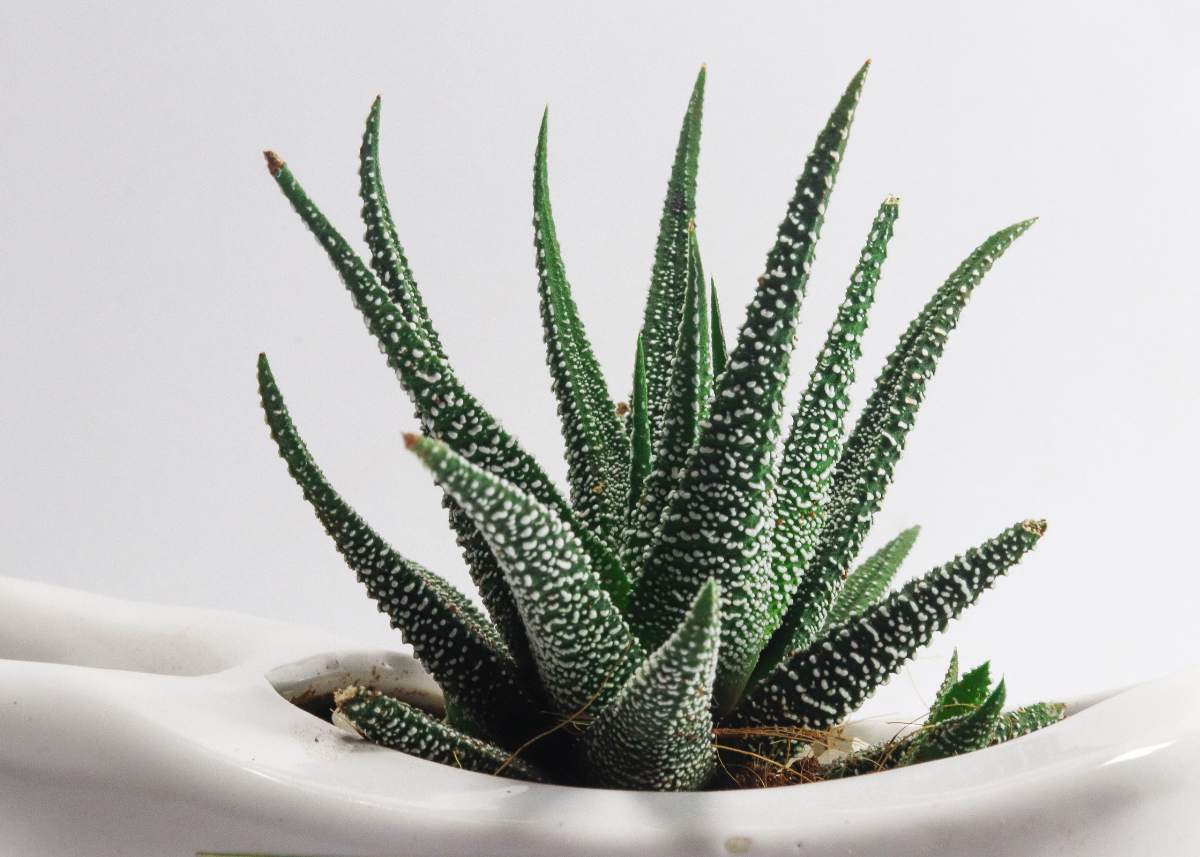
Aloe Vera, often dubbed as the "plant of immortality" by the ancient Egyptians, has been used for its medicinal properties for thousands of years. Its plump leaves are filled with a gel that can soothe burns, hydrate skin, and treat various ailments. Beyond its healing abilities, Aloe Vera also stands as a versatile and easy-to-care-for houseplant that can grace any space with its timeless beauty. If you're looking to grow and maintain a healthy Aloe Vera plant, this guide is tailor-made for you.
1. Sunlight is Key
- Light Preferences: Aloe Vera thrives in bright, indirect sunlight. While they can handle some direct sun, prolonged exposure can cause the leaves to turn brown or yellow.
- Positioning: Consider placing your Aloe Vera near a south or west-facing window where it can receive a good dose of light, but not direct midday sun.
2. Watering Wisely
- Water Requirements: Aloe Vera plants store water in their leaves, making them drought-tolerant. Water them deeply but infrequently, allowing the soil to dry out at least 1-2 inches between waterings.
- Overwatering Alert: Yellowing leaves or a soft, mushy base are signs of overwatering. If you notice this, cut back on your watering frequency immediately.
3. Perfect Soil Conditions
- Well-Draining Mix: Aloe Vera requires well-draining soil to prevent root rot. Consider using a cactus or succulent mix.
- Pot Choice: Always use pots with drainage holes. This ensures any excess water can easily escape.
4. Room Temperature is Ideal
- Temperature Preferences: Aloe Vera prefers temperatures between 55°F to 80°F. While it's tolerant of room temperature fluctuations, avoid placing it in areas where it might experience cold drafts, such as near an entrance or a frequently opened window in winter.
5. Feeding Your Aloe Vera
- Fertilizing: Generally, Aloe Vera doesn’t require frequent fertilizing. Applying a balanced, water-soluble fertilizer diluted to half-strength once in the spring and once in the summer is sufficient.
6. Repotting and Growth
- When to Repot: Aloe Vera plants are not overly fond of frequent repotting. Consider repotting when the plant becomes top-heavy or outgrows its pot. This is typically every 2-3 years.
- Propagation: Aloe Vera plants produce "pups" or offsets which can be separated from the mother plant and potted separately to produce new plants.
7. Dealing with Potential Issues
- Browning Tips: This is often a sign of excessive sunlight or salt build-up from hard tap water. Consider changing its location or using distilled water.
- Common Pests: Aloe Vera can sometimes be targeted by aphids, scale, or mealybugs. Regularly inspect your plant for pests and treat them early with insecticidal soap or neem oil.
Final Thoughts
The Aloe Vera plant is more than just a beautiful succulent. Its therapeutic benefits and low maintenance requirements make it a favorite among plant enthusiasts, from beginners to seasoned green thumbs. With proper care, your Aloe Vera will not only thrive but also provide you with its healing gel, ready to soothe minor burns or skin irritations. Embrace this nature's gift and let it flourish in your care!

