





A planter box is a straightforward yet transformative addition to any garden or patio. Whether you're looking to cultivate herbs, flowers, or even small veggies, a planter box offers a contained and aesthetically pleasing space to do so.
- dodano: 14-08-2024
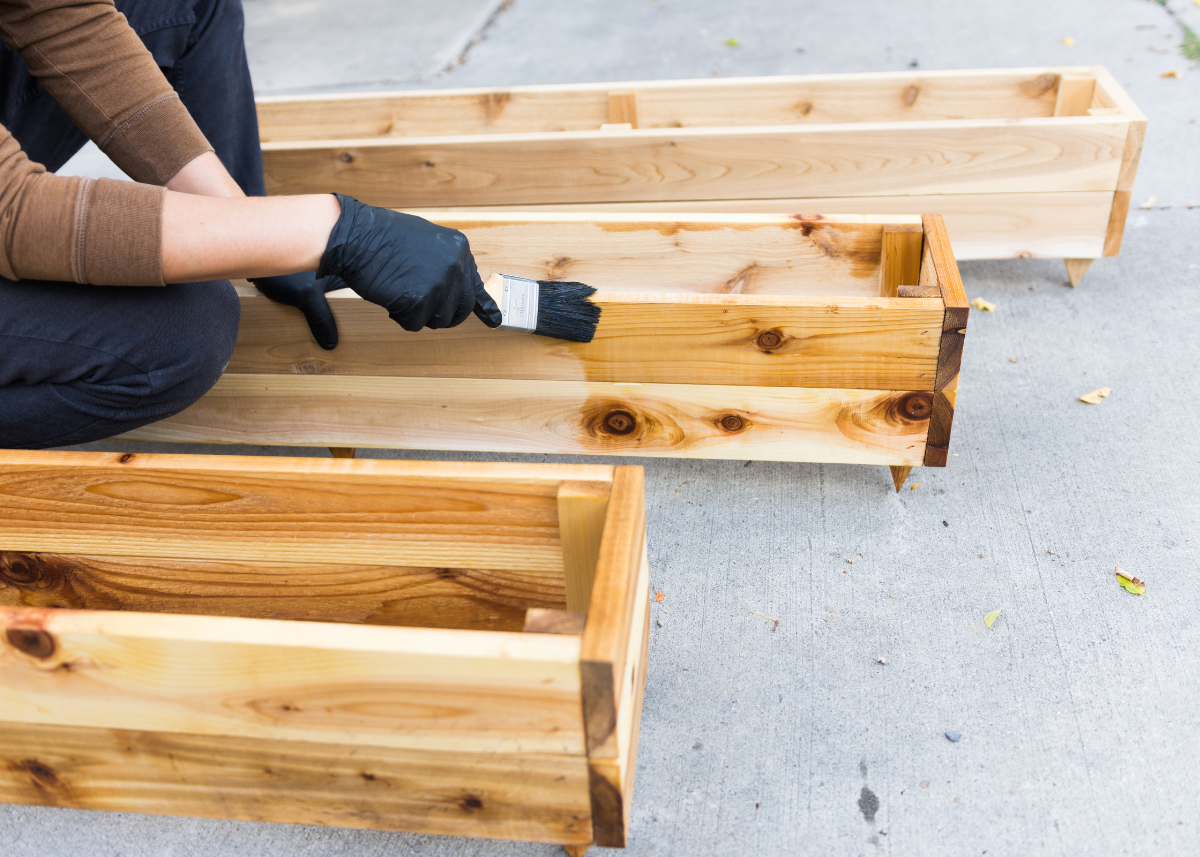
A planter box is a straightforward yet transformative addition to any garden or patio. Whether you're looking to cultivate herbs, flowers, or even small veggies, a planter box offers a contained and aesthetically pleasing space to do so.
The best part? You don't need to be a woodworking guru to create one. Here's a simple guide to help you build your own planter box.
Materials:
- Lumber (Cedar, Redwood, or any rot-resistant wood is ideal)
- Galvanized or stainless steel screws or nails
- Landscape fabric (optional)
- Potting soil
- Plants of your choice
- Paint or wood stain (optional)
Tools:
- Measuring tape
- Saw (a circular saw or handsaw will work)
- Drill with screw bits
- Hammer
- Stapler (for landscape fabric)
- Sandpaper
Steps:
- Design and Measure
- Decide on the size of your planter box. A standard size to start with is 2 feet wide by 4 feet long and 1 foot deep, but you can adjust based on your available space.
- Cut two pieces each for the length (long sides), width (short sides), and depth (bottom).
- Assemble the Sides
- Using the screws or nails, attach the longer side pieces to the shorter side pieces to form a rectangle. Ensure the box's corners are squared by using a carpenter's square or by measuring the box's diagonals—they should be equal.
- Install the Base
- Slide in the bottom pieces and attach them using screws or nails. If your planter is large, consider using multiple pieces for the bottom and placing them side by side.
- Drainage
- Drill a few holes in the bottom of your planter to allow for drainage. This prevents water from stagnating, which can harm your plants and rot the wood.
- Lining (Optional)
- To prevent soil from falling out and to deter pests, you can line the inner side of the planter box with landscape fabric. Just ensure that it doesn't cover the drainage holes. Staple the fabric in place, making sure it fits snugly against the box's sides.
- Finishing Touches
- Sand any rough edges to prevent splinters.
- If you want to paint or stain your planter box, now's the time! It can protect the wood and make your planter box match your outdoor decor. Use a product that's safe for plants, especially if you're growing edibles.
- Fill and Plant
- Fill your planter box with potting soil, leaving a few inches at the top.
- Plant your chosen flowers, herbs, or vegetables according to their specific spacing and depth requirements.
- Water gently to help the plants settle.
Tips:
- Elevate your planter box on bricks or blocks to enhance drainage and prevent rotting at the base.
- Always pre-drill your holes before inserting screws to prevent the wood from splitting.
- Cedar and Redwood are excellent choices for planter boxes due to their natural resistance to rot and pests.
Conclusion:
Building a planter box is a delightful DIY project that both novices and experienced gardeners can enjoy. With the right tools and materials on hand, you can have a beautiful planter ready for your favorite plants in no time. Plus, there's a unique satisfaction that comes from nurturing plants in a container you've built with your own hands. Happy gardening!

