









Coffee: it’s the drink that kickstarts our mornings and fuels our busiest days. But did you know that even after brewing, those coffee grounds still have much to offer, especially for our plants? The rich, aromatic grounds that many of us discard can potentially be a gardener's goldmine. In this article, we'll dive into the world of coffee grounds and how they can benefit your garden.
- dodano: 07-08-2024
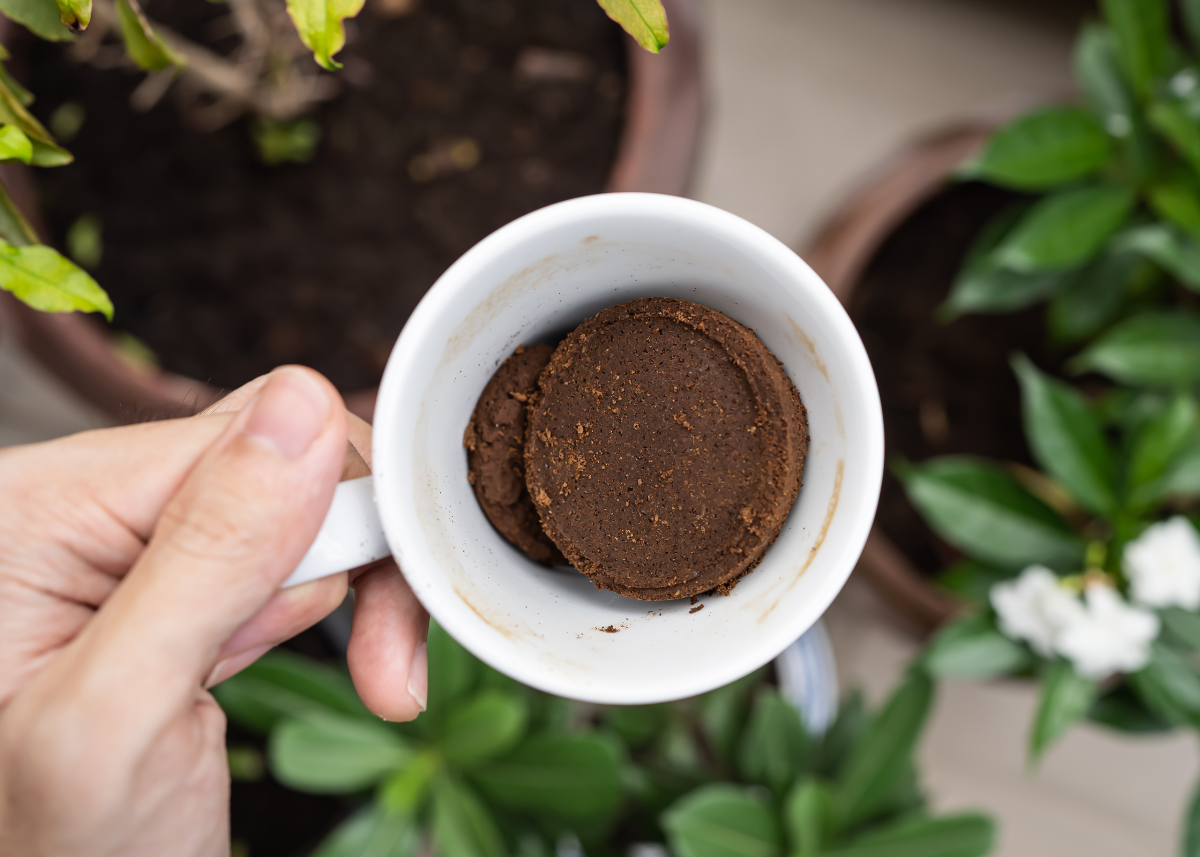
Coffee: it’s the drink that kickstarts our mornings and fuels our busiest days. But did you know that even after brewing, those coffee grounds still have much to offer, especially for our plants? The rich, aromatic grounds that many of us discard can potentially be a gardener's goldmine. In this article, we'll dive into the world of coffee grounds and how they can benefit your garden.
1. Nutrient-Rich Supplement
Coffee grounds contain a good amount of nitrogen, a crucial nutrient for plant growth. Alongside nitrogen, coffee grounds also have smaller amounts of essential minerals like potassium, magnesium, and calcium. These nutrients support plant growth and help enhance the fertility of the soil.
2. Natural Pest Deterrent
Coffee grounds can act as a natural pest repellent. Many pests, including ants, snails, and slugs, dislike the aroma and the texture of coffee grounds. Sprinkling a barrier of coffee grounds around plants can keep these pests at bay.
3. Soil Aeration and Drainage
Coffee grounds have a loose, granular texture which can aid in improving soil drainage. When mixed into the soil, they can help prevent soil compaction, allowing better water flow and root penetration.
4. Compost Enrichment
If you maintain a compost pile, adding coffee grounds can be a great way to introduce more nitrogen. The grounds are considered "green" compost material and can help balance the carbon-rich "brown" components like leaves and paper.
5. Attracting Beneficial Microbes
The organic matter in coffee grounds can attract beneficial microorganisms. These microbes are essential for breaking down organic compounds in the soil, which in turn makes nutrients more accessible for plants.
6. Acid-Loving Plants
While used coffee grounds are generally pH neutral, they can slightly acidify the soil over time as they break down. This can be beneficial for acid-loving plants like azaleas, hydrangeas, rhododendrons, and blueberries.
Things to Keep in Mind
- Limit the Amount: Avoid adding thick layers of coffee grounds directly to your garden as they can form a solid mass that repels water. Instead, mix them with other organic materials or sprinkle them lightly on the surface.
- Worm Attraction: Earthworms love coffee grounds. They consume, digest, and excrete them, leading to improved soil texture and nutrient content. However, ensure you don’t overdo it – balance is key.
- Caffeine Caution: Caffeine can inhibit the growth of certain plants. While the amount of caffeine in used grounds is reduced, sensitive plants might still be affected.
- Mold Growth: Wet coffee grounds can develop mold quickly. If you're storing them for future use, make sure they're dry.
Conclusion
Much like it invigorates our senses, coffee grounds can bring a burst of life and vitality to our gardens. By recognizing their potential and knowing how to use them properly, you can reduce waste and promote a healthier, more vibrant garden. So next time you brew a cup, think twice before discarding those grounds – your plants might thank you!

