








Tulips, with their iconic, cup-shaped blooms and vast array of colors, have become one of the most beloved flowers in many gardens around the world. Originating from Central Asia, these perennial plants eventually found their way to Europe, where they took the continent by storm during the Tulip Mania of the 17th century. Today, they remain a garden favorite and a herald of spring.
- dodano: 15-08-2024
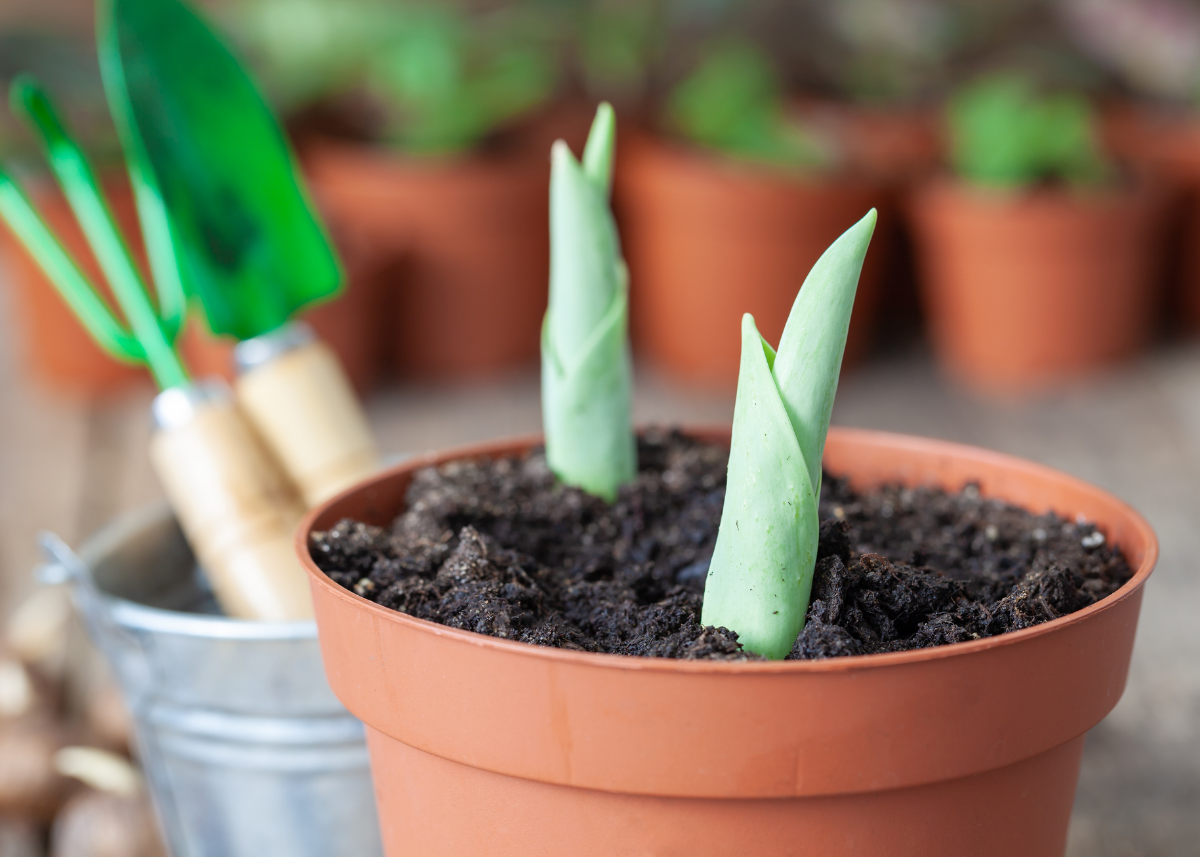
Tulips, with their iconic, cup-shaped blooms and vast array of colors, have become one of the most beloved flowers in many gardens around the world. Originating from Central Asia, these perennial plants eventually found their way to Europe, where they took the continent by storm during the Tulip Mania of the 17th century. Today, they remain a garden favorite and a herald of spring.
While tulips are relatively easy to grow, knowing the right time to plant them can make all the difference in achieving vibrant and healthy blooms. Let's delve into the art and science of timing when it comes to planting tulips.
1. The Golden Rule: Fall Planting
- Why Fall?: Tulip bulbs require a period of cold dormancy before they can bloom in the spring. Planting in the fall gives them ample time to establish roots before winter and ensures they receive the cold exposure they need.
- Temperature Matters: Ideally, tulip bulbs should be planted when the soil temperature drops to about 55°F (13°C). This typically corresponds to when nighttime temperatures consistently range from 40-50°F (4-10°C).
2. Regional Variations
- Cold Climates (USDA Zones 3-5): Aim for late September to October. The ground freezes early in these zones, so bulbs will need time to root.
- Moderate Climates (USDA Zones 6-7): Opt for October to early November. While the ground doesn't freeze as early, it's essential to ensure the bulbs have settled in before the first frost.
- Warm Climates (USDA Zones 8-10): Late November to early December is ideal. In zones where winters are milder, consider chilling the bulbs in a refrigerator for 6-8 weeks before planting to simulate the cold dormancy they need.
3. Soil and Sunlight
While timing is crucial, other factors also play a role in tulip success:
- Soil: Ensure you plant your tulip bulbs in well-draining soil. This prevents the bulbs from sitting in water, which can cause them to rot.
- Sunlight: Choose a spot that gets at least 6 hours of direct sunlight daily. Tulips need plenty of sunlight to produce their vibrant blooms.
4. Depth and Spacing
- Depth: As a general rule of thumb, plant bulbs at a depth three times the height of the bulb. For most tulips, this means 6-8 inches deep.
- Spacing: Space the bulbs about 4-6 inches apart. This ensures that they have room to grow without competing for nutrients.
5. Consider Companion Planting
When planning when and where to plant tulips, consider what else might be in the garden. Daffodils, hyacinths, and some early-blooming annuals can make excellent companions for tulips and can deter pests that might be attracted to your tulips.
Conclusion
Planting tulips is like making an investment in the future. The effort you put in during the fall will reward you with a riot of colors come spring. By understanding the importance of timing and ensuring that the bulbs are planted under the right conditions, you can look forward to a garden teeming with the vibrant and cheerful blooms of tulips year after year. Happy planting!

