









The Money Tree, scientifically known as Pachira aquatica, is often regarded as a symbol of luck, prosperity, and good fortune. Native to Central and South America's wetlands, the Money Tree has become a popular indoor plant worldwide, admired for its aesthetic appeal and its relatively easy care requirements. Whether you've recently brought one of these intriguing plants into your home or are considering doing so, here's a guide to ensure your Money Tree thrives.
- dodano: 07-08-2024
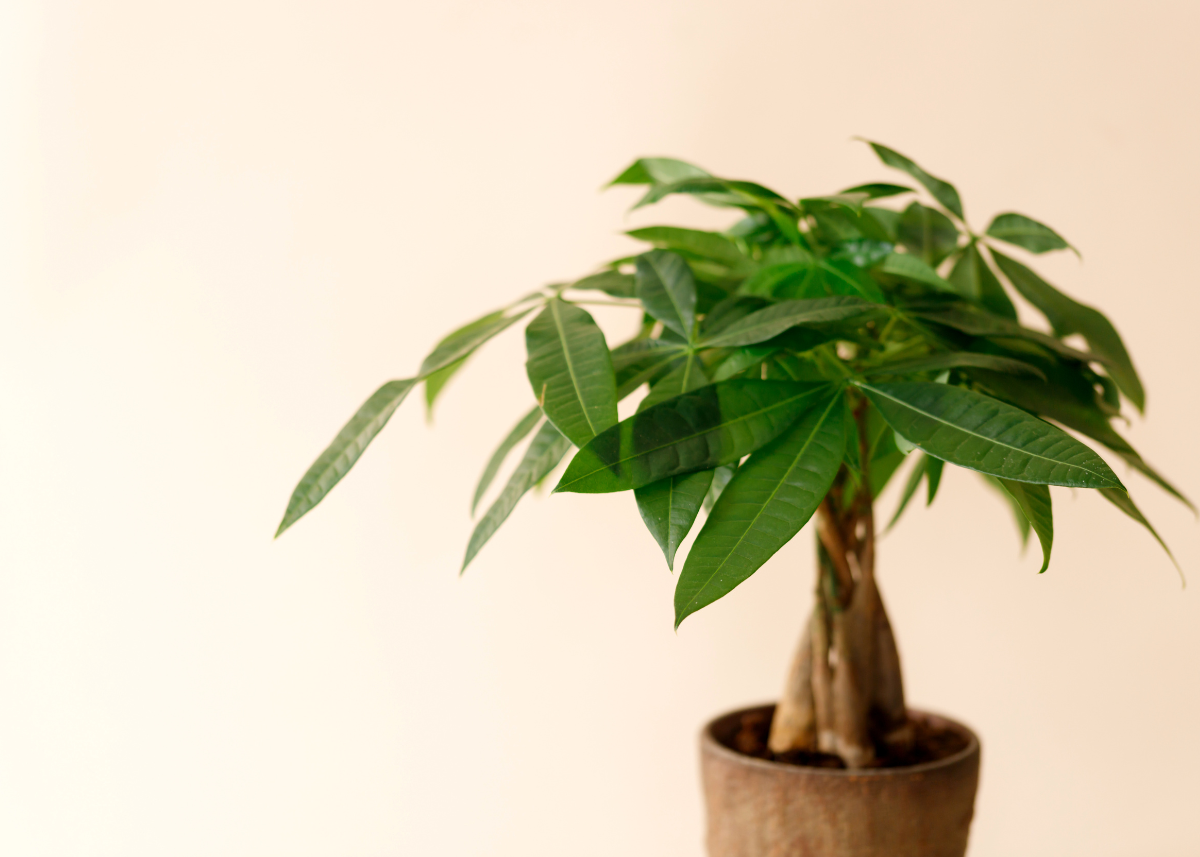
The Money Tree, scientifically known as Pachira aquatica, is often regarded as a symbol of luck, prosperity, and good fortune. Native to Central and South America's wetlands, the Money Tree has become a popular indoor plant worldwide, admired for its aesthetic appeal and its relatively easy care requirements. Whether you've recently brought one of these intriguing plants into your home or are considering doing so, here's a guide to ensure your Money Tree thrives.
1. Right Spot, Right Light
- Light Preferences: Money Trees prefer bright, indirect sunlight. While they can tolerate some direct sunlight, excessive direct exposure can scorch their leaves.
- Positioning: Place your Money Tree near a window with sheer curtains or further away from a window that gets direct sunlight.
2. Watering Wisdom
- Water Requirements: Money Trees prefer deep but infrequent watering. Allow the top 1-2 inches of the soil to dry out between waterings. Overwatering or letting the tree sit in water can lead to root rot.
- Humidity: Being native to wetlands, Money Trees appreciate higher humidity. Consider misting the leaves occasionally or placing a humidifier nearby, especially during dry months.
3. The Ideal Soil
- Well-Draining Mix: Opt for a well-draining potting mix, often one with a peat-moss base. Ensure the pot has adequate drainage holes.
4. Feeding and Growth
- Fertilizing: During its growing season, from spring to summer, feed your Money Tree a balanced liquid fertilizer every month. During dormant periods in fall and winter, reduce fertilizing or stop altogether.
- Pruning: If your Money Tree grows too tall or if you want to encourage a bushier growth, don’t be afraid to prune it. Snip off the top growth as well as overly long or unwanted branches.
5. Braided Trunks
One of the striking features of many Money Trees is their braided trunks. As the tree grows, you can continue this braiding pattern.
- Braiding: Gently twist the young, pliable trunks around one another and secure with string until they can hold their shape.
- Caution: Be sure not to damage or snap the trunks while braiding.
6. Repotting Requirements
- When and Why: Repot your Money Tree if it becomes root-bound or outgrows its current pot, which is typically every 2-3 years. Choose a pot that's 1-2 inches larger in diameter than the current one.
- Procedure: Gently remove the tree, trim any overly long or rotted roots, and plant it in fresh, well-draining soil in the new pot.
7. Common Pests and Issues
- Watch Out for Pests: Money Trees can sometimes attract pests like aphids, mealybugs, and spider mites. Regularly inspect your plant for any signs of these pests and treat early with insecticidal soap or neem oil.
- Leaf Drop: Overwatering or sudden changes in temperature can cause leaf drop. Ensure a consistent environment and check the soil moisture levels.
Final Thoughts
The Money Tree, with its glossy green leaves and unique braided trunk, can be a captivating addition to any interior space. Its association with prosperity and fortune makes it an excellent gift and a cherished houseplant. With the right care and

